Rise in Running-Related Injuries?

The amount of running-associated injuries suffered by American kids aged 6 to 18 elevated 34 % between 1994 and 2007, according to a new study....

Best Milk For You?

Can’t stomach milk? Supermarket shelves are lined with lots of alternatives: soy, rice, hemp, almond, coconut, you name it. But which dairy-free option is right for you? Find out if milks really do your body good…

How Dangerous Is Secondhand Smoke?

Secondhand smoke is a burning health issue, thanks to two new major studies. Find out how to protect yourself and your family from this insidious killer...

Kids Fed Unhealthy Foods Learn to Prefer Them

U.S. preschoolers able to recognize fast-food, cola brand images, study found..

Sunday, April 3, 2011

Parents Who Smokes Can Poison Their Babies

March 31, 2011 By: Jane Category: Children and Baby Health

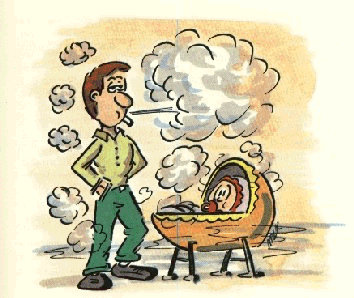
father and babyIf you are an active smoker, then you should think twice before you sleep in the same room with you baby. A research in California found that babies who sleeps with their parents (who are smokers) had three times higher levels of nicotine than those who sleeps separately.

Babies who have parents who are active smokers  is said third hand. Although they are never exposed to cigarette smoke directly, babies can still be exposed to toxic from smoke that sticks to clothing and skin of their parents, and even on the furniture.

The study also showed that bedroom ventilation is not effective enough to reduce levels of toxins on passive smokers, particularly babies. “Passive smoking is the leading cause of child mortality in developed countries,” said Guadalupe Ortega, author of the study.

Known as the Brief Intervention in Babies Effectiveness (BIBE), the study is related to the impact of tobacco smoke at a very young age group in private spaces.

The study involved the participation of 96 primary health centers in Catalonia. Experts interviewed parents of 1,123 babies under 18 months of age, who have at least one parent who is an active smoker.

They analyzed hair samples from 252 infants to determine the levels of nicotine. The research was done again in the following three and six months . As a result, 83 percent of the hair samples contained high levels of nicotine.


View the original article here

Treat Back Pain By Taking These Vitamins

back pain vitaminsAnyone can experience back pain, and those who do experience it will certainly feel discomfort so that they will do what they can to treat this annoying problem. There are many ways to treat a back pain, and one of them is by consuming some vitamins.

It is estimated that about 80 percent of the world population had been affected by back pain. In some cases the back pain which is experienced is quite severe. This acute back pain is usually characterized by pain that suddenly appears and would last for a few days or weeks. This type of severe back pain is usually caused by an injury, improper position when lifting loads or because of bad posture.

If you happen to experience back pain yourself, you could easily search for some medicines that are quite effective in treating back pain. But the problem is that sometimes these medicines can cause unwanted side effects, especially gastric problems.

According to Livestrong, there is an alternative way that you could try which is also effective in dealing with back pain. It said that to cope with the problem, you could use some vitamins and minerals.

Vitamin D
Vitamin D is essential for the production of bone and muscle tissue in the body. In study by the Mayo Clinic in 2009 it was found that vitamin D deficiency can cause pain and disruption of neuromuscular function. Therefore, getting enough vitamin D can prevent an increase of pain in the back.

Magnesium
Magnesium is a mineral that is used by the body to maintain neurological function, muscle and cellular as well as facilitating the absorption of calcium into the bone. Magnesium deficiency can cause symptoms of back and neck pain and muscle weakness that makes posture deteriorate or lead to injury resulting in back pain.

Vitamin C
Vitamin C is a powerful antioxidant that can help reduce inflammation and enhance the healing process. Back pain which is a result of an injury to the joints or soft tissues, is usually caused by inflammation inside.

This causes pain, which might look worse if the inflammation occurs in the joint and puts pressure on the nerve. For that reason, consumption of vitamin C either from supplements or fresh fruit and vegetables can help fight and prevent inflammation.

Vitamin B12
Vitamin B12 is an effective anti-inflammatory and helps relieve pain caused by degeneration of the lower spine. A study in 2000, published in the European Review for Medical and pharmacological Sciences also found that vitamin B12 is effective in treating lower back pain and disruption in movement.

In that study, it was also found that patients who takes vitamin B12 have reduced dependence on anti-inflammatory drugs, which means a reduction in the risk of side effects.


View the original article here

12 Year Old Girl Gives Birth in Holland

A 12-year-old girl in Groningen, Holland, gave birth to a baby girl on a school trip. This case was quite shocking, because her family and people in her school environment, never knew about her pregnancy.

“Neither the girl nor her family realized that she was pregnant, and there are no external signs of pregnancy shown,” said a spokesman from the local health ministry, according to The Telegraph.

The health condition of the young mother and her baby is very healthy. However, the identity of the girl and her family is deliberately hidden.

Moments before birth, the girl did not show any complaints. Only, that she suddenly complained pain in the abdomen on a school trip with her friends.

Initially, the school staff suspected the girl experienced a stomach ache. They realized their student was pregnant after emergency medical personnel arrived. Seeing the signs of immediate delivery, the girl was rushed to a maternity home.

Late last year, a case of a child giving birth also shocked Spain after a local newspaper, Barcelona La Vanguardia, ??presented a story of 10 year-old underwent a Caesarean delivery at a hospital in the southern city of Cadiz, Spain.

Everyone was more shocked after the girl’s mother said that the case was common. “It (childbirth at age 10 years) is common in my country,” said the mother, explaining that her daughter was pregnant by her boyfriend who was also still under age.

Statistics data in Spain indicate that during 2008, a total of 177 girls under the age of 15 years gave birth. This raises concerns some observers of children’s health. Because children under the age who gives birth are at high-risk of death and birth defects.


View the original article here

Milk Consumption Can Prevent Heart Attack

drink milk prevent heart attackDrinking milk is not only delicious, but is also useful for our health. In fact, according to a research at Wageningen and Harvard University, drinking three glasses of milk every day can reduce the risk of heart disease by 18 percent.

The results of this study at the same time denied the myth that states that the consumption of milk every day can lead to weight gain and lead to the emergence of heart disease, stroke, even death.

The study was conducted by reviewing 17 studies from Europe, America and Japan. The researchers found no association between consumption of regular or low-fat milk and increased risk of heart disease, stroke, or death.

“Milk is a nutritious and healthy drink. Rich in natural nutrients, like calcium, potassium and protein,” said Cindy Schweitzer, Director of Engineering, Global Dairy Platform.

Other studies in Israel that was published in the American Journal of Clinical Nutrition also noted that high calcium milk consumption will affect weight loss.

The study was conducted on 300 men and women who are overweight for two years. In conclusion, people who consume milk containing high calcium, lost 38% of their body weight compared to those who consume low-calcium milk.

U.S. researchers also reviewed 21 studies that included nearly 350,000 data and concluded that consumption of foods containing saturated fat is not associated with an increased risk of both coronary heart disease or heart disease. The study was published in the American Journal of Clinical Nutrition.

In addition, there is another study published in the American Journal of Epidemiology. A study of 23,366 men in Sweden has revealed that calcium intake above the recommended daily level can reduce the risk of death from heart disease and cancer by 25%.


View the original article here

Homosexuality Influenced by Serotonin Hormones?

Homosexual is allegedly influenced by levels of serotonin hormones in the brain. Scientists from Peking University and National Institute of Biological Sciences in Beijing found links of hormones and sexual preferences in rats.

Serotonin hormones regulate sexual behavior, such as erection, ejaculation and orgasm, both in rats and as well as in men. Neuroscientist Yi Rao of Peking University and National Institute of Biological Sciences in Beijing and his team showed that serotonin also underlie the decision to choose male or female.

Rao and his team reversed genetic male rats who lack either the production of serotonin or reversed protein substances which affect the production of serotonin in the brain. Both types of rats are made to not be able to make serotonin.

The research published in the Nature journal, March 24 edition, states that rats lacking serotonin shows sexual orientation not interested in female rats and more accepting male rats. Those rats also did not like the smell of female genitals.

Instead, they preferred male rats and made voices that showed attraction. Male rats normally makes the sound of these voices when meeting female rats to make them more open to mate. While those who have enough serotonin, were more interested in female rats.

“Nearly half of the rats lacking serotonin pick male before the female and sniffs the smell of male rats than females about 60 percent more,” he said, according to LiveScience.

When researchers injected the compound into the rats to restore serotonin levels as usual, the rats were again more interested in female rats than in male rats. But an excess of serotonin instead reduce attractiveness in female and male. “This shows the amount of serotonin must be settled within a certain time to assist the development of heterosexual, ‘he said.

However, Rao continued, whether the levels of serotonin have the same sexual effect on other animals, is still unknown.

One of the author of the study, neuroscientist Zhou-Feng Chen from Washington University, warned not to rush and speculate the relationship of these hormones on human sexual orientation.

Elaine Hull, an expert in sexual behavior in rodents from Florida State University says that the findings may have implications for homosexuality or bisexuality in human behavior. “This can help to guide sexual development (human),” said Hull, who was not involved in the research.

However, he agreed with Chen, to not interpret the results of this study in a hurry.

“More information is needed before concluding serotonin is a factor that inhibits male sexual attraction,”she said.


View the original article here

Saturday, April 2, 2011

Advantages and Disadvantages of Treating Acne with Vitamins

vitamin acne treatmentAcne is a skin problem that most people really avoids of getting because it can lower someone’s self confidence. There are many treatments that people can do to treat or prevent the occurance of acne. One way to solve acne problem is by using vitamins.

There are actually many causes of acne, but hormonal imbalance is the main cause of acne, therefore pregnant women and women during menstruation often experience this skin problem. Acne problems generally include blackheads, pustules (pimples), seborrhea (scaly red skin), papules, nodules and internal injuries due to certain skin diseases.

Like mentioned earlier, to treat this disturbing skin problem, many people choose to use vitamins. But according to Buzzle, people who want to treat their acne problems by using vitamins should consider some advantages and disadvantages of this treatment. Here are some of them you should consider:

Advantages of treating acne with vitamins
1. Experts generally use vitamins because this treatment is more natural than other treatment or therapy.
2. Vitamin intake can also act as additional nutrients for the body.
3. This treatment does show side effects and are considered safer to use.

Disadvantages of treating acne with vitamin
1. This treatment should be done with discipline because the dose given must be accurate and should not be excessive, so that it does not to trigger excess levels of vitamins in the body.
2. This treatment generally require a very long period of treatment.

The vitamins that are used to treat acne here are provided in various kinds of forms like capsules, pills, tablets, ointments or creams. Or you can also apply it directly by adjusting your diet. The vitamins you consume then will provide the nutrients needed by the skin cells, which also mean that it will treat your acne problem. Well, some vitamins that are used to reduce acne are:

Vitamin A
Vitamin A is usually modified or formulated into vitamin A acid or retinoic acid. It functions to activate genes in skin cells that have not matured or are known as keratinocytes and turn it into an adult or mature gene.

Vitamin C
Because of its antioxidant content, this vitamin works for healing and reduce free radicals within the skin. Vitamin C also helps the skin heal faster, prevent blackheads, and inflammations.

Vitamin E
Vitamin E is also known to have a very similar function and acts as antioxidants in the skin, prevents scarring, bacterial growth and some reactions in the body.


View the original article here

Why Blind People Have Good Hearing

blind people better sense of hearingMay be you already know that people who are blind generally have a better sense of hearing compared to people who are not. But do you know what causes this, why does blind people have good hearing?

Researchers from the Montreal Neurological Institute (MNI) at McGill University and Universite de Montreal have shown that people who can not see, really have better hearing. But this generally occurs in people who are already blind since they were still very young.

The results of this study which is called ‘The Pitch discrimination in the Early Blind’ has been published in the journal Nature on July 15, 2004.

“It is already known that blindness could help the development of music, but did not take into account the age of the person who is blind,” says Dr. Robert Zatorre, a cognitive neuroscientist at the MNI, McGill University, according to ScienceDaily.

In people who can see, the area of ??the brain called the medial occipital region play an important role for visual signals.

In people who experience blindness early in their life, they will operate this brain region to detect sound. This makes them able to hear better.

Also at birth or a young age, the brain centers that regulate vision, hearing and other senses are all still connected. This connection is likely to be maintained and used for processing sound in people who experience blindness.

Because of that, sometimes it is known that people who are blind not only can hear better, but also have a better sense of touch and a stronger sense of smell.


View the original article here

Easy Ways to Prevent Constipation

Constipation is surely an unpleasant condition which will push people to do anything they can to get rid of it. It is a change in bowel pattern which is not unusual that is different in everyone. Constipation can mean a person’s bowel movement is fewer than three times a week.

There are various causes of constipation like lack intake of fiber, lack of drinking that cause bowel movements more slowly, lack of exercise, taking certain medications, lifestyle changes, ignoring when wanting to defecate and some specific diseases such as irritable bowel syndrome and other diseases associated with digestive organs.

It is actually easier to prevent than to treat constipation. Before you experience constipation, its best that you prevent it with some easy ways, as quoted by the Harvard Medical School Family Health Guide.

1. Eating enough fiber
Balanced diet with emphasis on high-fiber foods such as nuts, seeds, whole grains, fresh fruits and vegetables can help prevent constipation.

2. Using laxatives
Type of bulk-forming agents laxative (laxatives that increase the volume of stools so that the stomach feels full) such as psyllium, methylcellulose and pectin which can be obtained without a prescription can also prevent the occurrence of constipation.

3. Drinking enough water
Fulfill your water needs at least 8 glasses each day.

4. Exercise
Regular exercise can prevent constipation while maintaining overall body health. Exercise can support digestive health function and can be useful for the health of the entire body. Walking at least 20 to 30 minutes each day can help your digestive system.

5. Train defecation time
Set the time and train your digestive system to be able to defecate in certain hours such as early morning or after a meal. Start by sitting on the toilet for 10 minutes and wait for the body renpons, but do not force to defecate.

6. Do not delay going to the toilet if you want to defecate
The intestine is an organ that is sensitive and important in providing signals. When a person delays to defecate, the signals given by the gut will become weak and eventually someone will not understand the signals given by the intestine.

7. Do not force bowel movements
Forcing it can cause other health problems like hemorrhoid and blood pressure problems.


View the original article here

Sunday, March 20, 2011

Low Paying Jobs Costly to Health


If you're a sort of one who simply get burdened, you need to be very cautious in choosing a job. Having a job with low salary have a worse influence for mental well being compared to being unemployed.

This was revealed in a study by a crew from The Australian National College, Canberra, Australia. Of their survey, it was revealed that individuals who skilled the transition from being unemployed to having a job with an unsatisfying salary, admits to be extra stressed after they'd a job.

Besides a good and satisfying wage, employee’s welfare is measured from their stress on the job, career paths, versatile work hours, and good communication.

“People who solely see black and white, which is the unemployed and employees are likely to feel that all jobs are created equal, but it is not so,” said Joseph Grzywacz, neighborhood and family medicine specialists who carried out this analysis, in keeping with LiveSciense.

The research was based mostly on a survey of greater than 7,000 people in Australia for seven years, starting in 2001. The respondents had been also requested to fill out questionnaires about signs of depression or anxiety, in addition to optimistic feelings such as calmness and happiness.

Usually, people who have jobs feel extra joyful than unemployed people. However when noticed deeper, like age, gender, training level, well being standing, the unemployed are higher than people who work however with poor welfare.

Folks from the group additionally showed a decrease of psychological well being from time to time.

This should be a concern for the company administration as a result of stress, fatigue and anger as a results of dissatisfaction could make a person’s emotions uncontrolled.

There are a number of things that is prompt by the research group to enhance the welfare of employees, amongst different is by making them feel secure in working by giving workers with contract certainty.

“Corporations ought to have the ability to make flexible rules in order that employees do not really feel compelled to choose between work and family, for instance, if a baby is sick,” stated Grzywacz.

Thursday, March 17, 2011

Tips To Reach 100 Years Old


Almost everybody certainly hopes to have a long life. Nonetheless, they actually is not going to reach their hopes if they don’t give enough effort in reaching it. But is it actually possible for us to live to the age of 100 years old? Nicely, according to a study performed in Denmark, individuals can reside for 100 years or 20 years longer than the common human life today.

“What prevents us from reaching it's bad habits,” said Walter Bortz II, MD, Professor of medicine from Stanford University.

To have the ability to reach the age of one hundred, we must concentrate on positive actions and habits, like eating fruits and vegetables that adds five years to out age, exercising five instances per week which adds 2 to four years, and avoiding stress which can add 6 years in our age.

In line with Yahoo! Shine, listed here are some other secretes of longevity that may help you attain a hundred years of age

1. Doing hobbies
One essential factor in getting a protracted life is by being happy. And by doing a pastime, you'll be able to increase your longevity as much as 2 years. A passion could cut back stress and makes your coronary heart happy.

2. Making the most of free time
Having a bit spare time can enhance the danger of coronary heart disease eight times larger. Therefore, take advantage of your free time as good as possible to do the stuff you love. This can also add one to 2 years of longevity.

3. Sleeping
Sleeping additionally has advantages for longevity. Getting used to sleeping 7-eight hours day-after-day can improve your broken physique cells in order that you can also dwell two years longer.

4. Sex
Having sex with a associate could make you reside three to five years longer because sex can relieve stress and create feelings of delight caused by the oxytocin hormone. By doing this activity, you also burn 200 calories.

5. Doing yoga
Yoga is well known to be very useful to human health. Recent research had found that yoga can enhance alertness, and helps your diet.

6. Drinking inexperienced tea
Amongst different types of tea, inexperienced tea has most advantages for human body. This tea is wealthy in antioxidants that helps the body struggle every kind of diseases.

7. Train your brain
In response to a research conducted by The Mind Research Network in Mexico, playing games like Tetris for half-hour a day will help the mind work extra optimally.

Wednesday, March 16, 2011

How much radiation is bad?


Well being experts urged governments in the Asia Pacific to watch radioactivity levels after Japan's quake-broken nuclear power plant exploded and despatched radiation into the air.

Radiation is measured using the unit sievert, which quantifies the amount of radiation absorbed by human tissues.

One sievert is 1,000 millisieverts (mSv). One millisievert is 1,000 microsieverts.

Beneath are some details in regards to the health risks posed by higher radiation levels:

* Japan's Chief Cupboard Secretary Yukio Edano had, at one level, mentioned radiation ranges near the stricken plant on the northeast coast reached as high as four hundred millisieverts (mSv) an hour. That determine would be would be 20 times the annual exposure for some nuclear-industry staff and uranium miners.

* People are uncovered to pure radiation of 2-3 mSv a year.

* In a CT scan, the organ being studied typically receives a radiation dose of 15 mSv in an grownup to 30 mSv in a new child infant.

A typical chest X-ray involves exposure of about 0.02 mSv, whereas a dental one may be 0.01 mSv.

* Publicity to 100 mSv a yr is the bottom stage at which any increase in most cancers risk is clearly evident. A cumulative 1,000 mSv (1 sievert) would probably cause a fatal most cancers many years later in 5 out of every one hundred persons uncovered to it.

* There may be documented proof associating an accumulated dose of ninety mSv from two or three CT scans with an increased risk of cancer. The evidence within reason convincing for adults and very convincing for children.

* Giant doses of radiation or acute radiation publicity destroys the central nervous system, crimson and white blood cells, which compromises the immune system, leaving the victim unable to combat off infections.

For instance, a single one sievert (1,000 mSv) dose causes radiation illness akin to nausea, vomiting, hemorrhaging, but not death. A single dose of 5 sieverts would kill about half of these exposed to it inside a month.

* Exposure to 350 mSv was the criterion for relocating folks after the Chernobyl accident, in accordance with the World Nuclear Association.

*"Very acute radiation, like that which occurred in Chernobyl and to the Japanese employees on the nuclear energy station, is unlikely for the inhabitants," mentioned Lam Ching-wan, a chemical pathologist at the college of Hong Kong.

Tuesday, March 15, 2011

Why you should own pets

There are many ways to get a healthier life. Of course you are advised to eat healthy foods, exercise regularly, and avoid unhealthy lifestyles like smoking and alcohol consumption. But there are also some fun ways to maintain a healthy life. One way is by having pets.
How does owning a pet benefit your health? By keeping a pet animal, you can get a better quality of life, not just in terms of physical health but also psychological health. Well take a look at these five benefits you can get from owning a pet, according to Woman’s Day.
1. Reduce stress
Based on a research by a team from the State University of New York, it was found that when someone have a job full of pressure, their stress levels will be reduced when they are accompanied by pets. This also have been compared to when they accompanied by their partner, close friends or other family members.
2. Lowers blood pressure
According to the Centers for Disease Control and Prevention (CDC), United States, having a pet is also beneficial to lower your blood pressure, especially in people with hypertension.
“If there are dogs around you, it can decrease blood pressure,” said Marty Becker, author of “Your Dog: The Owner’s Manual”.
3. Reduce pain
Believe it or not, pet animals are the best pain relief medication. Especially for people who experience migraines or chronic pain. “It’s like Valium, having a pet can reduce anxiety. If anxiety is reduced, it means that pain is reduced as well, “said Becker.
4. Lowers cholesterol
According to the CDC, owning pets make people’s heart healthier because it can reduce levels of bad cholesterol in the blood. It is known that men who have pets have lower levels of triglycerides (fats) and cholesterol compared to men who do not have pets.
5. Prevent stroke
“If you have a cat, the risk of getting a heart attack decreases by 30 percent. Then the risk of stroke can be reduced by 40 percent,” said Dr. Becker.
Not only that, pet also can help the recovery of patients who already had a heart attack. According to Becker, if someone had experienced a heart attack and owns a dog, his life expectancy is eight times higher.

Sunday, January 30, 2011

A Rise in Running-Related Injuries?


The amount of running-associated injuries suffered by American kids aged 6 to 18 elevated 34 % between 1994 and 2007, according to a new study.

Throughout that period, there were an estimated 225,344 such injuries treated in U.S. hospital emergency departments, a average of more than 16,000 per year.

Nearly all of the working-associated injuries were sprains and strains to the lower extremities. Falls accounted for one-third of the injuries and greater than half of the injuries occurred at school, stated the researchers at the Center for Injury Research and Policy at Nationwide Children's Hospital in Columbus, Ohio.

Children aged 6 to 14 were more likely to be injured as a reult of a fall and while running at school, while teens aged 15 to 18 were more likely to be injured while running on the street or at a sports activities and recreation facility.

"Encouraging children and adolescents to run for exercise is a great way to ensure that they remain physically active," Lara McKenzie, principle investigator at the center, said in a hospital news release. "However, the findings from our study show that formal, evidence-based and age-specific guidelines are needed for pediatric runners so that parents, coaches and physical education teachers can teach children the proper way to run in order to reduce the risk of injury."

Best Milk For You?


Can’t stomach milk? Supermarket shelves are lined with lots of alternatives: soy, rice, hemp, almond, coconut, you name it. But which dairy-free option is right for you? Find out if milks really do your body good…

As a kid, milk was part of your daily diet, from morning cereal to midday cookie dunking.

But the older we get, the less we drink – and the more we need. Women, in particular, require milk’s bone-builders: protein, calcium, potassium, and vitamins A and D.

Some women cut out milk because of lactose intolerance or an allergy; others stay away because of worries with weight and cholesterol levels. Or maybe they just never liked the taste.

Whether you choose dairy or go dairy-free, cow’s milk and its alternatives offer a host of flavors and health benefits. Read on to find out which is the best for you:

1. Cow’s Milk
What it is: Americans consume about 583 million cups annually, according to 2008 statistics from the U.S. Department of Agriculture.

No wonder: Milk from cows’ mammary glands is packed with calcium – 1 cup provides about 30% of daily requirements (around 300 mg). Plus, it has protein, says Bethany Thayer, R.D., of the Henry Ford Health System in Detroit, Mich.

What’s good: All cow’s milk is fortified with vitamin D, which the body needs to absorb calcium. (This practice began in the 1940s to reduce the incidence of juvenile rickets, a skeletal disorder in children.) Milk also contains potassium and phosphorous, which helps build strong bones and teeth.

Calorie counting? Choose nonfat milk, which has less than half the calories of whole milk (about 80 calories per cup versus about 150 calories) and slightly more calcium.

Watch out for: The 1% or 2% you see on a milk carton refers to the percentage of fat compared to the other nutrients. So how much is in a glass? Here’s the skinny on fat content:

  • Skim milk – less than 0.5 grams of fat per 8-ounce glass
  • 1% milk – about 2 grams of fat per 8-ounce glass
  • 2% milk – about 5 grams of fat per 8-ounce glass
  • Whole milk – 8 grams of fat per 8-ounce glass

Saturday, January 29, 2011

How Dangerous Is Secondhand Smoke?

Secondhand smoke is a burning health issue, thanks to two new major studies. Find out how to protect yourself and your family from this insidious killer...

Everyone knows smoking is dangerous – 1 in 10 deaths worldwide is from a smoking-related disease, according to the World Health Organization.

But exposure to tobacco fumes kills 600,000 nonsmokers a year worldwide, including 165,000 children, according to a December 2010 WHO study. That’s about 1 out of every 100 deaths worldwide, through smoke-related illnesses such as heart disease, lower respiratory infections, asthma and lung cancer.

And the fumes are harder to avoid than you think: They can seep through apartment ventilation systems and cling to baby car seats, where they’re easily ingested.

The U.S. Surgeon General’s office issued its own smoking report in December, reinforcing the dangers of “passive,” or secondhand, exposure.

“Chemicals in tobacco smoke reach lungs quickly every time you inhale, causing damage immediately,” said U.S. Surgeon General Regina M. Benjamin, M.D.

“Inhaling even the smallest amount can also damage DNA, which can lead to cancer.”

About 3,400 lung cancer deaths a year are attributable to secondhand smoke, the report estimates.

Read on to learn more about secondhand smoking risks and how to limit exposure:

Why Other People’s Smoke Can Harm You
Tobacco smoke contains 7,000 chemicals, including hundreds that are toxic and at least 70 known to cause cancer, according to the Surgeon General’s report.

Passive exposure also causes heart attacks, says cardiologist Matthew Sorrentino, M.D., FAAC, an associate professor of medicine at the University of Chicago.

“The toxins in cigarette smoke enter the body and damage the coronary arteries that bring blood to the heart,” he says. “Cholesterol builds up on the arteries, and they become blocked, which can lead to a heart attack.”

Thursday, January 27, 2011

Kids Fed Unhealthy Foods Learn to Prefer Them

Most preschool children develop a taste for salt, sugar and fat at home, and quickly learn which types of brand-name fast foods and sodas meet these preferences, U.S. researchers say.

In one experiment, the mothers of 67 children, aged 3 to 5, were asked to list their youngsters' taste preferences and listed foods high in sugar, fat and salt. The researchers tested the children and found that the parents' answers were accurate.

In a second experiment, the researchers looked at the association between the taste preferences of 108 preschool children and their emerging awareness of brands of fast food and sugar-sweetened beverages.

The children were shown 36 randomly sorted product cards -- 12 related to each of two popular fast-food chains, six related to each of the two leading cola companies, and six depicting non-related products. All of the children were able to place some of the product cards with the correct companies, which demonstrated that they recognized these brands.

The results "suggest that fast food and soda brand knowledge is linked to the development of a preference for sugar, fat and salt in food," the researchers reported.

Parents need to carefully consider the types of foods they give to young children at home and in restaurants, said study co-author T. Bettina Cornwell, a professor of marketing at the University of Oregon Lundquist College of Business.

"Repeated exposure builds taste preferences," she said in a university news release.

The study findings were released online ahead of publication in an upcoming print issue of the journal Appetite.

Protect Yourself From Baby Snatchers

Three weeks ago, while recovering in the hospital after giving birth to a baby girl, Rena Jones was amped up and on guard.

"I didn't sleep for a whole 72 hours, because I was nervous thinking somebody was going to come again to take my baby," Jones says.

This time, Jones was being vigilant. The last time she'd been to the hospital to give birth in 2007 her baby was stolen.

"I still have nightmares about it. I still have dreams about it," she says.

Jones remembers feeling tired in the moments just before the kidnapping. She called to have her two-day-old son Kemorrion returned to the nursery so she could sleep. She was drowsy from medication numbing the pain of her Cesarean section when a woman in nursing scrubs came to her bedside.

"I thought she was a nurse," Jones says.

Jones gave the woman her baby and started to doze off. Soon after, another woman in nursing scrubs entered to take Kemorrion to the nursery.

"I said, 'I just gave ya'll the baby,'" Jones recalls.

The security at Sentara Norfolk General Hospital in Norfolk, Virginia, quickly put the building on lockdown and searched for the kidnapper. Forty-five minutes into the search, Jones says, no one had found her baby.

"I literally pulled my hair out. That's how scared I was. I got to shaking and screaming," she says.

Kemorrion was eventually located under a waiting room chair, zipped inside a diaper bag with a blanket over him. His mom says he was lucky to be alive.

"It was the grace of God he didn't die," Jones says. "When they unzipped the bag he was wiggling his little feet, smiling."

The abductor had ditched the baby in an attempt to flee but was apprehended and sentenced to five years in prison. According to reports the woman had always wanted a baby and had lied to her family about being pregnant.

Baby abductions from hospitals are extremely rare -- only 128 such cases since 1983, according to theNational Center for Missing and Exploited Children.

This month, Carlina White was reunited with her family 23 years after she'd been abducted as a 19-day-old baby from a hospital in New York.

"Although one case like this is too many, aggressive security and comprehensive protocols in place are better and ensure families are more secure than 23 years ago," says Marie Watteau, a spokeswoman for the American Hospital Association.

If you've ever walked the floor of a maternity ward it's clear that security is intense: time-delayed door locks, controlled access panels, closed-circuit television monitoring, matching numbered ID bands for moms and their babies, electronic infant-bracelet alarms. Often nurses transport babies in bassinets and aren't allowed to move more than one baby at a time.

Almost always these kinds of security measures thwart a would-be abductor, and they have helped reduce abductions. Last year, just one baby was abducted from a health care facility, in contrast to 1991 when 11 babies were kidnapped. The majority of babies in hospital abduction cases are located, but five cases have gone cold and the children are still missing.

Even with such security measures, Rena Jones probably isn't alone in her fear that someone could still abduct a baby inside a hospital. You can make your baby less a target. Here is advice from abduction experts and others on how to guard against baby snatchers.

Know who wants to steal your baby

Baby abductors often fit a profile you can watch out for, says John Rabun, who specializes on infant abduction cases at the National Center for Missing & Exploited Children.

Abductors are women, mostly in their mid-20s to mid-30s, Rabun says, and they're familiar with childbirth, hospital routines and the layout of maternity wards.

"She's been in the facility for hours and days on end," he says. "She knows just enough about birth and nomenclatures. So, she's dangerous."

Abductors know how to throw around medical terms, and they're confident mimicking nurses. In many abductions, the abductor is even dressed in hospital scrubs.

"I can't fault the moms because in the majority of these cases the person is coming in posing as a nurse," says Cathy Nahirny, who also specializes on infant abduction cases at the National Center for Missing & Exploited Children. "Don't take what's being presented to you at face value."

That's precisely the mistake Jones regrets making when she handed Kemorrion over to the woman she believed was a nurse. Jones says that the woman had been on her hospital floor for three days and that she had Kemorrion's proof of birth and had even tried to give the baby medicine.

"She would come to my room. She would fluff my pillows. She was really nice to me," Jones says. "She didn't even know me, but she was aiming for my baby."

Never leave your baby alone

Most baby abductions in hospitals occur right in the mother's room.

"The single most dangerous time is when mom goes to the bathroom," Rabun says. "When mom goes to the bathroom you don't leave Junior out there by himself. You take the baby with you."

Put your baby in a bassinet and roll it into the bathroom with you. You can also put your family and friends on duty when you need to use the bathroom or take a nap.

"If Grandma is there, baby's perfectly safe. Give the baby to Grandma," Rabun says.

Rena Jones put her brother-in-law on duty when she was in the hospital three weeks ago.

"Have a special family member to stay with you at that hospital," she says.

If you don't have family with you, buzz the nursing staff to have your baby returned to the nursery instead of leaving your baby alone.

And about those bassinets: that's how hospital workers should be transporting your baby. Anyone who tries to take your baby out of the room in their arms is probably at the very least breaking the hospital's rules, and may have a plan for your baby.

You can also keep your baby's bassinet away from the door to lessen the risk of someone walking off with your baby.

Ask for ID

Before you make the mistake of handing your baby over to someone you shouldn't you need to check that person's hospital identification.

"There are only precious few staff who are allowed by a hospital to take a baby to and from mom. Mom's gotta know that," Rabun says.

This time around, Jones wasn't about to let anyone con her daughter Ca'Morria out of her arms.

"I was cautious of everyone in there. I wanted to see everyone's tag," she says. "Look at every nurse that comes into your room. Make sure they show you their name tag. Make sure they have on their name tag. If they don't have on their name tag, call security."

And don't put all your faith in your baby's own ID, the electronic tag hospitals often attach to babies after they are born.

"While that technology is very beneficial and helpful, it will not 100% prevent an abduction," Nahirny says.

Be careful with tests

Allison Pastor almost had her baby stolen from her at a hospital in Sanford, Florida, in 2008 when a woman posing as a nurse wanted to take the baby for a test.

"The baby had just fallen asleep for a nap, and this lady walks in. She said, 'We gotta take the baby for a hearing and eye test. It's standard procedure. It'll be real quick, and I'll be right back."

Pastor gave her newborn daughter, Aubriana, to the woman but quickly realized something wasn't right.

"She started to turn around to leave, and I was like, 'Wait a minute. She had that test done last night,'" Pastor says. "She gave me back the baby and walked out of the room."

It was a close call for Pastor and her daughter. The fake nurse went on to abduct a baby down the hall. She was caught on surveillance video and was captured by authorities.

"[Aubriana] was so close to the one being abducted," Pastor says.

Ask who authorized the test your baby needs and why your baby needs it. Make sure the answers make sense to you. You can also go with your baby and watch the test yourself.

Be careful after discharge

Hospitals may have tightened their security to prevent baby abductions, but that hasn't cured the crime.

"It drove the crime outside of health care to the home and other places," Rabun says.

In some cases, a baby abductor has gone into a hospital impersonating a nurse to make initial contact with a targeted mother, only to then wait and steal the mother's baby from her home after she's been discharged, often posing as a visiting nurse the mother met at the hospital.

About this type of abductor, Rabun says the person may tell you, "I'm a nurse. I was on your floor...There's that fleeting moment, I've seen you before."

It's unusual for a nurse or hospital worker to visit a discharged mother at home, Rabun says. When such visits are necessary, hospitals are advised to let you know about them ahead of time.

Before you leave the hospital ask whether anyone on the staff will be visiting your home. Don't be too trusting, check for identification, and if you're at all suspicious, don't let them in your house.

Bottom line, says Rabun, "Nobody loves your baby as much as you do, parent. So you gotta keep your eyeballs on them."

Saturday, January 22, 2011

Walmart pledges to make food healthier, more affordable

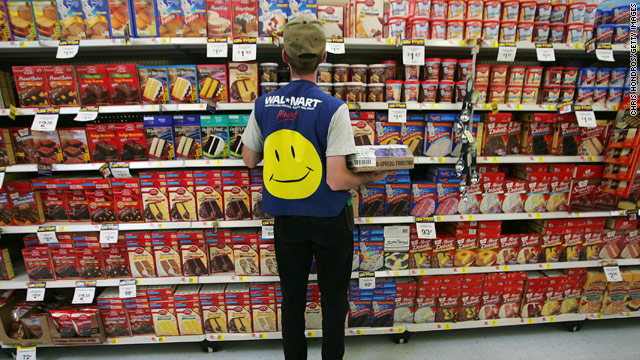
The largest grocery chain within the country has introduced an extensive five-year plan to make its foods healthier and extra affordable. Walmart, which serves roughly 140 million consumers every week, announced the initiative as a collaboration between its company and first lady Michelle Obama's Let's Move! campaign.

"To more and more of our customers, living better means the ability to walk into our stores and find foods that will help their families live healthier lives," said Leslie Dach, executive vice president of corporate affairs at Walmart. "And importantly, to find these foods at prices they can afford."

Saving money and living better do not always go together when it comes to food. Typically highly processed foods rich in sodium, trans-fats, or added sugars are less expensive, and thus more affordable, than fresh produce. Access to healthy foods is also a difficulty; so-called "food deserts" exist all through the nation, leaving many Individuals with minimal access to healthy fare.

Walmart says its multi-pronged plan addresses both problems. As an example, Walmart has identified "key product categories," or thousands of foods sold by both national manufacturers and Walmart's house brand, that the corporate says could possibly be reformulated to be healthier. The objective is to scale back the sodium content material in meals comparable to deli meats and salad dressing by 25 percent by 2015.

Added sugars in various sauces, fruit drinks, or dairy items shall be reduced by 10 %, while all trans-fats shall be completely removed from packaged meals items. The corporate hopes other meals manufactuers will fall in line and adopt identical standards.

"If the reformulations are adopted by the entire grocery industry, adults in the U.S. will consume approximately 47 million fewer pounds of sodium each year," said Andrea Thomas, a senior vice president of sustainability at Walmart.

Walmart also wants to revise its supply chain to decrease costs on healthy foods and ultimately make them more affordable. The company estimates it could save Americans $1 billion a year on fresh fruit and veggies if its plans are successful.

"This is a step forward," said William K. Hallman, director of the Food Policy Institute at Rutgers University. "Walmart is a category leader so what Walmart does, lots of other companies will follow their lead."

"It's not just the people who shop at Walmart who would benefit from this, it's everybody."

To that end, Walmart's announcement has the potential to make a tremendous impact on America's collective waistline. As recently as last fall, an economics professor at the University of North Carolina Greensboro calculated that for every Supercenter that opened per 100,000 residents, the average BMI of the local population increased 0.24 units and the obesity rate jumped up by 2.3 percentage points.

"In a way, us finding what we did almost accentuates that what they're trying to do could have an impact in the other direction," said Charles Courtemanche, an assistant professor of economics at the University of North Carolina Greenboro.

"Walmart is actually so large...they actually have the power to affect an individual's choices for good or for bad."

Courtemanche's paper will be published in the March issue of the Journal of Urban Economics.

Snow Shoveling Injuries Affect Old and Young, Expert Warns

Snow shoveling is a dangerous chore that causes an average of nearly a hundred deaths and 11,500 emergency department visits each year within the United States, according to a new study.

And while a lot of the problems occur among adults, children under 19 experience more than 1,750 shoveling-related accidents each year, the investigators found.

The analysis of data from 1990 to 2006 found that the most common shoveling-associated accidents had been tender tissue damage (fifty five %), cuts (16 %) and broken bones (7 %).

Essentially the most regularly injured areas of the body have been the lower back (34 %), the arms and hands (16 %) and the head (15%), the research authors noted. Common causes of injuries have been acute musculoskeletal exertion (54 %), slips or falls (20 %) and being struck by a snow shovel (15 %t).

Heart problems accounted for only 7 % of all shoveling-associated cases but were responsible for more than half of the hospitalizations and all of the 1,647 deaths during the 17-year study period, according to the report published in the January issue of the American Journal of Emergency Medicine.

Folks fifty five and older were more than four times more likely than younger people to experience coronary heart problems while shoveling snow. Among these over fifty five, men have been twice as likely as ladies to undergo coronary heart issues, said the researchers at the Center for Injury Research and Policy of The Research Institute at Nationwide Children's Hospital in Columbus, Ohio.

"The cardiovascular demands of snow shoveling are increased by the freezing temperatures that typically accompany snowfall," study senior author Dr. Gary Smith, director of the Center for Injury Research and Policy, said in a hospital news release.

"Not only is the heart's workload increased due to shoveling snow, but cold temperatures also add to the chances of a heart attack in at-risk individuals. We recommend talking to your doctor before you shovel snow, especially if you do not exercise regularly, have a medical condition or are in a high-risk group," Smith added.

Alternatives to shoveling include using a snow blower, hiring someone else to do it, or using salts, de-icing sprays or heated sidewalk mats.

And before sending the children out to clear the snow, explain to them that shovels are tools and are not meant for horseplay. Shoveling accidents suffered by kids and teens often result from being struck by a snow shovel, with two-thirds of those being head injuries, the doctor pointed out.

"Shoveling snow can be a great outdoor activity for kids; however, it is important for parents to teach children the correct way to shovel snow and remind them that shovels are not toys," said Smith, who is also a professor of pediatrics at the Ohio State University College of Medicine.

Friday, January 21, 2011

Apology May Leave You Feeling Unsatisfied, Study Finds

Apologies are often less satisfying than people anticipate them to be, a new Dutch study indicates.

The research involved individuals who were using a computer and given 10 euros (about $13.40 in U.S. currency) to either keep or give to a companion they communicated with online. The money was tripled so that the accomplice actually acquired 30 euros. The companion then had to decide how much to return, but only gave back 5 euros.

Some individuals received an apology for this meager amount, whereas others had been informed to think about they'd received an apology.

The participants who imagined an apology valued it greater than those that actually acquired an apology.

The findings, printed in the journal Psychological Science, suggests that individuals do a poor job of predicting what is actually needed to resolve conflicts. They  want an apology and conider it worthwhile but the actual apology is much less satisfying than expected, mentioned researcher David De Cremer of Erasmus University in the Netherlands.

"I think an apology is a first step in the reconciliation process ... but you need to show that you will do something else," he said in a journal news release.

The results suggest that an apology  might be more effective at convincing outside observers that the wrongdoer feels remorse rather than making the slighted person feel better, the researchers said.

Twitter Delicious Facebook Digg Stumbleupon Favorites More